

Clinch seals, also referred to as ‘C-clip’ seals or ‘push-on type’ seals, are designed to easily install by pushing onto a pinchweld. They have a metal core that is fully encased in rubber to prevent rust, rubber teeth/flanges to create a durable grip, and feature a side, top, or double bulb. When the doors are closed, the sponge bulb will create a watertight and airtight seal, making for a dry and quiet ride.

In this demonstration, we’re replacing the door seals on a 1994 F150, but the method is the same for most clinch seal/push on type door weatherstrips.
Materials Needed:
- Drill
- Clean shop rag/cloth
- Soapy water
- Side cutters
- Razor blade
- New clinch seal door weatherstripping
Installation
Step 1
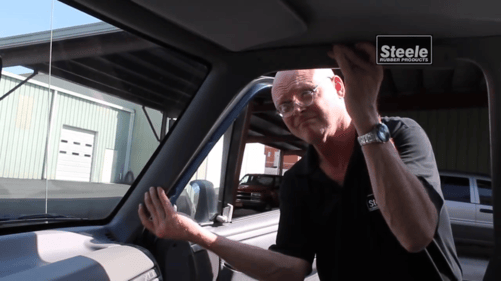
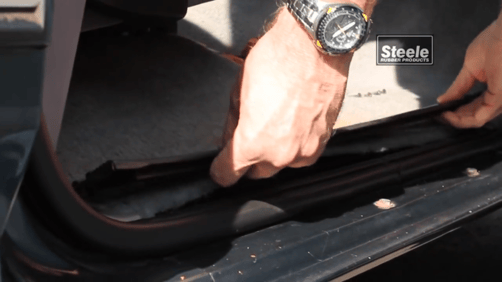
Unscrew the panels to expose the pinch weld all the way around the door opening. The top panels can just be loosened up but you will need to remove the threshold plate completely.
Step 2
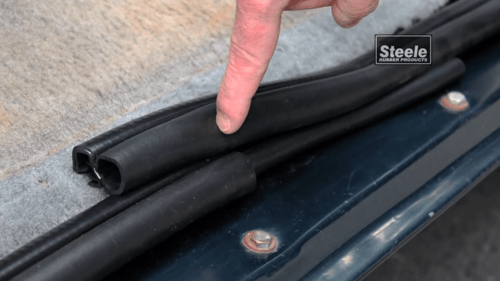
Remove the old weatherstripping. Start at the bottom of the door opening. You may see a tube inserted inside of the weatherstrip where the two ends meet. This tube prevents sagging beneath the threshold plate by keeping the rubber firm thus eliminating wind noise and water leaks.
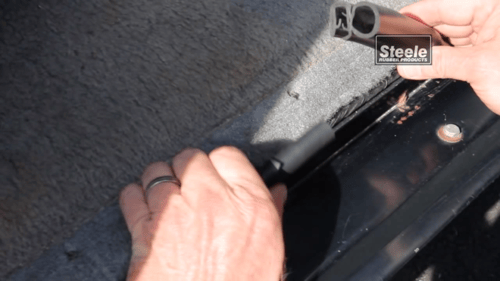
*If your new weatherstrip doesn’t come with this tube you can either pull it out of the old weatherstrip and reuse it or take the old one to your local auto parts store and ask for vacuum hose that size*
Step 3
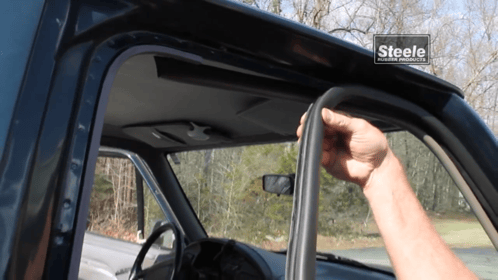
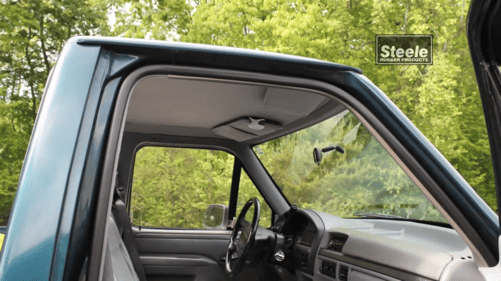
Starting at one end, gently pull the rubber away from the pinchweld, all the way around the door opening. The entire seal should come off in one piece.
Step 4
Give the pinchweld area a quick clean with a damp cloth removing any dirt and debris before installing the new weatherstrip.
Step 5
After you’ve properly cleaned, place the U-Channel of the weatherstrip around the entire perimeter of the door opening. Start at the bottom center for a neater installation where your two ends and tube will meet. Once the whole weatherstrip is pushed into place, you’re gonna have a few inches of excess at the end, and this is by design. Pull the weatherstrip as tight as you can, leaving a little extra length (1/8 of an inch or so will do) and then cut it using the side cutter and razor.
Step 6
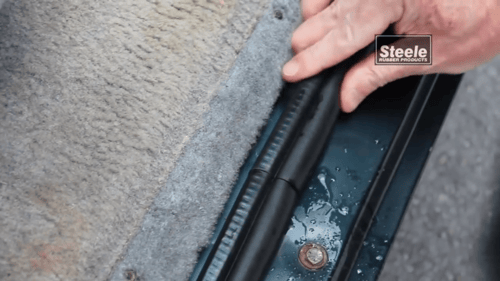
To join the two ends together, spray some soapy water on the tube and it will fit inside the weatherstrip on the opposite side (or on both sides if that’s the case). Keep the gap between the two ends as tight as you can. A bigger gap means more space for water to get in.
Step 7
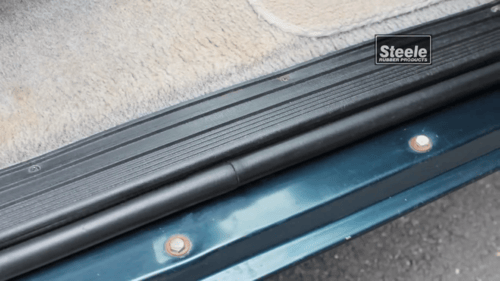
Lastly, replace your top panels and the threshold plate. Then, pat yourself on the back and you’re done!
At Steele, we’re more than just high-quality products, we’re your trusted resource for completing your weatherstripping projects with confidence.
Whether you’re working on a classic car or truck, street rod, RV, or boat, our expert team is here to help. If you have questions about weatherstripping or need product guidance, we’re just a call or click away.
📞 Call us at 800-650-4482
📧 Send us an email
💬 Chat with us live on our website
Need installation help?
Check out our How-To video series on YouTube for step-by-step guidance and tips.
Stay connected!
Follow us on Facebook and Instagram for updates, inspiration, and more.
 Steele Rubber Products
Did you find this article helpful? Tell us why!